Hedge Cutting in Soho: Reliable, Careful, Local Garden Maintenance for Homes and Businesses
Keeping Soho’s Hedges Neat, Healthy, and Safe
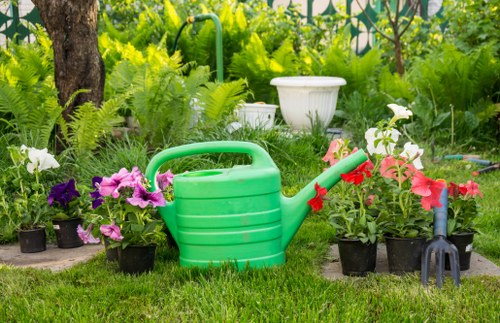
Hedge cutting in Soho needs a thoughtful approach. This part of central London is known for busy streets, mixed-use buildings, compact outdoor spaces, rooftop terraces, courtyards, and small front gardens that all need regular care without disrupting neighbours, tenants, customers, or passers-by. Whether you manage a residential property, a boutique office, a hospitality venue, or a communal garden, tidy hedges make a strong first impression and help outdoor spaces feel organised and well cared for.
For many local customers, hedge trimming is not just about appearance. It is also about keeping growth under control, preventing overhanging branches from blocking walkways or windows, and maintaining a healthy shape that lasts through the seasons. In a dense area like Soho, where access can be tight and outdoor areas are often overlooked between buildings, a local service can make the difference between a quick tidy-up and a proper, controlled cut that suits the property.
Professional hedge cutting in Soho is useful because it is adapted to the realities of central London. Narrow access routes, limited parking, traffic restrictions, shared entrances, and time-sensitive business operations all influence how the work is planned. A local team understands these pressures and can work efficiently while respecting the space, people, and schedule around the property.
Why Local Hedge Cutting Matters in Soho

Soho is unlike suburban areas where a gardener can park close to the front gate and work at leisure. Here, many properties are set back from the street, reached through side passages or internal courtyards, and surrounded by commercial activity. That means hedge maintenance often requires more than just cutting: it requires planning, careful movement of tools and waste, and an understanding of how to complete the job with minimal interruption.
Local hedge cutting services are particularly valuable for customers who need regular maintenance rather than one-off emergency work. Hedges can quickly become unruly if they are left too long, especially in locations where growth is encouraged by sheltered walls, limited wind exposure, or irrigation systems. Regular trimming helps keep the hedge compact, improves light levels, and prevents the kind of overgrowth that can make a small outside area feel even smaller.
Another reason local expertise matters is species knowledge. Soho properties may feature a mix of formal evergreen hedges, mixed boundary planting, ornamental shrubs trained into hedge form, and taller screening plants around terraces or shared spaces. Different hedge types need different cutting methods. Some respond well to light, frequent shaping, while others should be reduced more carefully to avoid bare patches or stress. A good service takes the plant, the season, and the setting into account before any cutting begins.
Who Our Hedge Cutting Service in Soho Is For

Customers looking for hedge cutting in Soho often fall into several groups. Some are homeowners with small front gardens or hidden courtyard planting who want a smart, manageable boundary. Others are managing agents, landlords, and building owners responsible for communal outdoor areas that must stay presentable throughout the year. Commercial customers also rely on hedge maintenance to support the look and function of their premises, especially where greenery is part of the customer experience.
This service is suitable for:
- Residential flats with shared gardens or courtyard planting
- Townhouse owners needing seasonal hedge maintenance
- Landlords and managing agents overseeing external communal areas
- Offices with terrace screening or boundary planting
- Restaurants, cafés, and hospitality venues with outdoor edges or decorative hedging
- Retail and showroom properties that want a tidy, welcoming frontage
- Professional premises needing regular external upkeep
Soho’s property mix means hedging can serve different purposes. In some places it is about privacy; in others it is about defining a space, softening hard landscaping, or creating a calm visual buffer in a busy urban environment. Whatever the purpose, the aim is usually the same: a neat, healthy hedge that enhances the property without becoming a maintenance problem.
What Is Included in Hedge Cutting

When arranging hedge cutting in Soho, customers often want to know exactly what the work involves. A professional service is usually more than a quick trim. It should include a measured approach that leaves the hedge tidy, balanced, and suitable for its location. The exact work will depend on the hedge type, the size of the site, the condition of the growth, and access restrictions.
Typical hedge cutting may include:
- Initial inspection of the hedge and surrounding area
- Assessment of access, height, and any obstacles
- Careful trimming to shape the hedge evenly
- Reduction of overgrowth where needed and appropriate
- Removal of stray growth around edges, paths, and openings
- Collection and clearing of hedge clippings
- Basic tidying of the surrounding space once cutting is complete
In some cases, a hedge may need more than maintenance trimming. If it has been left too long, it may require a staged reduction to avoid damaging the plant. If that is the case, the work should be explained clearly before starting so that expectations are realistic. A careful approach helps preserve plant health while still improving the property’s appearance.
How the Service Works

A straightforward process helps make hedge cutting in Soho easy to arrange. Because local customers often have busy schedules or limited access windows, a clear plan is especially useful. The service usually starts with an understanding of what needs to be cut, how much growth has built up, and whether the property has any access or timing constraints.
In practical terms, the process often looks like this:
- Step 1: Share the hedge location, size, and condition
- Step 2: Discuss access, timing, and any site-specific considerations
- Step 3: Receive a quote based on the work required
- Step 4: Arrange a convenient appointment
- Step 5: The hedge is cut, shaped, and cleared up
- Step 6: The area is left tidy and ready to use again
For commercial sites, it is often helpful to arrange work outside peak trading hours or during quieter periods. For residential customers, early planning can make it easier to coordinate around building access, concierge arrangements, or neighbour sensitivities. If the hedge is part of a communal or managed property, it can also be useful to confirm approval before booking the work.
Benefits of Regular Hedge Maintenance
Routine hedge trimming offers more than a tidy appearance. It supports the long-term condition of the plant and helps avoid problems that become harder to fix later. In Soho, where space is at a premium and every external feature contributes to the feel of a property, regular maintenance can be especially worthwhile.
Key benefits include:
- Better appearance: A clean, even hedge improves the look of entrances, courtyards, terraces, and boundary edges.
- Improved light: Well-managed hedges help reduce excessive shading in small gardens and shared spaces.
- Controlled growth: Regular cutting prevents the hedge from becoming too wide, too tall, or uneven.
- Healthier plants: Careful trimming can encourage fuller growth and reduce dead or weak sections.
- Safer access: Hedges kept clear of paths, gates, and windows are less likely to cause obstruction.
- Less stress later: Routine upkeep is often simpler and more cost-effective than letting the hedge become severely overgrown.
For business owners, a neat hedge can also contribute to the customer experience. It suggests attention to detail and helps the whole property feel considered. For landlords and managing agents, it supports a better standard of communal presentation, which matters to residents and visitors alike.
Healthy hedge care is never only about cutting. It is about preserving the shape, density, and usefulness of the planting over time.
Local Challenges: Access, Parking, and Busy Streets
One of the biggest reasons to choose a local team for hedge cutting in Soho is practical experience with central London conditions. Parking is often limited, delivery bays may be restricted, and some properties can only be reached by navigating narrow roads or shared access points. This can affect both the timing and the method of the work.
Local crews are more likely to plan efficiently around these issues. They understand that an external maintenance job in Soho may need to be completed in a short time window, with minimal equipment movement and careful handling of green waste. If there are neighbours nearby, noise and disturbance also need to be considered, especially in residential courtyards or mixed-use developments.
Some properties in the area have unique access features such as internal passageways, upper-level terraces, private mews-style entries, or enclosed garden spaces behind commercial premises. These settings require a tidy, methodical approach so that cutting can be carried out safely without damaging walls, paving, planting beds, or nearby fixtures. A local service that knows central London layouts can save time and avoid unnecessary disruption.
Hedge Cutting for Different Property Types in Soho
Soho’s variety of buildings and outdoor spaces means hedge work is rarely one-size-fits-all. A hedge beside a restaurant terrace has different priorities from a hedge in a private garden or a communal courtyard. The desired finish, frequency of trimming, and level of access all vary depending on the site.
Residential properties
Homeowners and tenants in larger managed buildings often want hedges kept neat for privacy and presentation. In compact spaces, even a small amount of growth can start to make an area feel crowded. Regular maintenance helps maintain balance and keeps paths, windows, and seating areas usable.
Commercial properties
Businesses in Soho often rely on a tidy exterior to support the customer experience. Decorative hedging around a venue, office frontage, or outdoor seating area needs to look intentional and well maintained. Careful hedge cutting can support that without interfering with operations.
Communal and managed spaces
Shared gardens, building courtyards, and landscape areas under property management usually need consistent care. In these cases, the goal is often a clean and predictable standard that keeps all residents happy and reduces complaints about overgrowth or poor presentation.
Matching the service to the setting
That is why site-specific planning matters. The best result comes from understanding what the hedge is meant to do, how much space is available, and how the property is used day to day.
When to Book Hedge Cutting
Many Soho customers ask when hedge cutting should be scheduled. The answer depends on the hedge type, how quickly it grows, and what result you want. Some hedges benefit from regular trims to keep their shape, while others only need one or two visits a year. If the hedge is part of a formal frontage or a high-visibility area, it may need more frequent attention than a sheltered boundary in a private courtyard.
Common reasons to book hedge cutting include:
- The hedge is growing beyond its intended shape
- Branches are blocking walkways, gates, or windows
- The property is due for a seasonal tidy-up
- Outdoor space needs to be presentable for residents, visitors, or customers
- The hedge has become uneven after a period of rapid growth
- You are preparing for a tenancy change, inspection, or event
If you are unsure whether the hedge needs a light trim or a more substantial reduction, a local assessment can help. It is better to address the issue early than to wait until the hedge has become difficult to shape properly.
Preparation Checklist Before the Visit
A few simple steps can make hedge cutting in Soho faster and more efficient. Because access can be tight and properties may have shared or restricted entry, a little preparation goes a long way. This is especially true if the hedge is located in a courtyard, rear garden, or managed communal area.
Helpful preparation includes:
- Clearing access routes to the hedge if possible
- Moving fragile items, furniture, or plant pots away from the work area
- Letting neighbours, occupants, or building staff know about the visit if needed
- Confirming where access will be available and who will provide it
- Pointing out any hidden issues, such as cables, irrigation, lighting, or delicate planting
- Checking whether green waste should be removed from site
For commercial customers, it may also help to schedule the work at a time when foot traffic is lower. That keeps the area safer and reduces interruption. For managed properties, clear communication ahead of time can prevent delays and ensure everyone involved knows what to expect.
Small preparation steps can save time on the day
Even in a compact Soho setting, a few minutes of preparation often means a smoother, cleaner result.
Pricing Factors for Hedge Cutting in Soho
Customers often want to understand what affects the cost of hedge cutting before they request a quote. While exact prices vary, several common factors influence the level of work required. These are especially relevant in Soho because access conditions, hedge type, and waste handling can all affect how long the job takes.
Typical pricing factors include:
- Hedge size: Longer, taller, or deeper hedges take more time and effort.
- Condition: Light maintenance trimming is different from tackling overgrown hedge material.
- Access: Difficult entry, narrow walkways, or upper-level access can increase complexity.
- Waste removal: Clearing and disposing of clippings may be part of the service.
- Frequency: Regularly maintained hedges are usually easier to manage than neglected ones.
- Site type: Residential, commercial, and communal spaces may each require different planning.
A quote should reflect the real work involved rather than a one-size-fits-all figure. If you are comparing options, it is sensible to ask what is included, how access is handled, and whether tidy-up and waste removal are part of the service. That helps you understand value more clearly and avoid surprises.
Requesting a free quote is often the easiest way to get a clear idea of the work needed and plan the job around your schedule.
Why Choose a Local Company for Hedge Cutting in Soho
There are real advantages to choosing a local company for hedge cutting in Soho. It is not only about proximity; it is about familiarity with the area, practical problem-solving, and a better understanding of how central London properties work.
Reasons local customers prefer a nearby service include:
- Faster scheduling: Local teams can often arrange visits more efficiently.
- Area knowledge: They understand access routes, parking limitations, and building layouts.
- Commercial awareness: They know how to work around busy trading periods and shared premises.
- Better communication: A local service can be more responsive to site-specific needs.
- Suitable equipment planning: Knowing the area helps ensure the right tools and approach are used.
- Practical reliability: Familiarity with urban properties reduces unnecessary delays.
In an area like Soho, where time and space are both valuable, the efficiency of a local team can make a noticeable difference. The aim is not just to cut the hedge, but to do so in a way that suits the property and respects the people who use it.
Areas Covered Around Soho
Hedge cutting in Soho often extends to nearby streets and neighbouring central London areas, especially where properties sit within the same local travel and access network. Customers may also need maintenance for locations close to offices, hospitality venues, and residential developments around the wider West End.
Areas commonly associated with Soho hedge maintenance work can include nearby parts of:
- Covent Garden
- Mayfair
- Fitzrovia
- Marylebone
- Bloomsbury
- Westminster
- Leicester Square
- Piccadilly Circus
Because these nearby locations share similar access challenges and property styles, a local hedge cutting team can often bring the same practical approach across the wider area. If your hedge sits in a hard-to-reach rear courtyard, a communal garden, or a commercial frontage close to Soho, the same principles apply: careful planning, tidy work, and efficient clearing.
What Makes a Good Hedge Cut in an Urban Setting
A good hedge cut is not just about removing growth. It should improve the hedge’s shape, keep it healthy, and suit the setting around it. In Soho, where outdoor areas are often compact and visually prominent, the final finish matters. A hedge that is cut too harshly may look thin or patchy, while one that is trimmed without a clear shape can quickly look untidy again.
The best results usually come from:
- Respecting the hedge’s natural growth pattern
- Keeping the top and sides balanced
- Avoiding unnecessary damage to leaves and stems
- Maintaining a shape that works with the surrounding space
- Allowing enough light and airflow for healthy regrowth
In some cases, a more formal finish is appropriate, especially for a front-facing property or managed courtyard. In other cases, a softer, more natural edge may suit the planting better. A professional service should understand the difference and deliver a result that looks right for the location.
Attention to detail matters
Small finishing touches such as cleaning the edges, clearing clippings, and making sure the shape is even can make a big difference to how the whole property feels.
Frequently Asked Questions
How often should a hedge be cut in Soho?
It depends on the hedge type, the speed of growth, and the appearance you want to maintain. Some hedges need trimming several times during the growing season, while others can be managed with less frequent maintenance. Properties with high visibility or limited outdoor space may benefit from regular care.
Can you cut an overgrown hedge back?
Yes, but the approach depends on the condition of the hedge and the species involved. Some overgrown hedges can be reduced carefully, while others should be tackled in stages to protect the plant. A proper assessment helps determine the safest method.
Do you remove the clippings?
In many cases, hedge cutting services can include clearing away the cuttings, but this should be confirmed in advance. Waste removal is particularly helpful in Soho where on-site storage and disposal space may be limited.
Is hedge cutting suitable for commercial premises?
Yes. Many Soho businesses use hedge maintenance to keep entrances, terraces, and external spaces neat and professional. Work can often be scheduled to reduce disruption to trading or staff movement.
What if access is difficult?
Difficult access is common in central London, including Soho. A local team can usually plan around narrow entry points, shared access, and limited parking. It helps to mention access issues early so the visit can be arranged properly.
Can hedge cutting be arranged for managed buildings?
Yes. Communal gardens, shared courtyards, and building boundaries are all common reasons for hedge maintenance. It is useful to confirm who authorises the work and how access will be provided.
Book Hedge Cutting in Soho
If your hedge is starting to look untidy, blocking space, or needs regular seasonal upkeep, now is a good time to arrange a visit. Hedge cutting in Soho is most effective when it is planned around the realities of the property, whether that means a private garden, a shared courtyard, or a commercial frontage that needs to stay presentable.
Choosing a local service means you get practical help from people who understand central London properties and the demands of working in a busy district. From neat shaping to overgrowth reduction and careful clear-up, the goal is to leave your hedge looking smart and your outdoor area easier to manage.
Contact us today to discuss your hedge and request a free quote. If you are ready to get the work done, book your service now and make sure your Soho property stays tidy, healthy, and welcoming.
For residential, communal, and commercial hedge maintenance in Soho, a reliable local service can save time, reduce hassle, and keep your outside space looking its best.