Tree removal in Soho
When a tree becomes unsafe, outgrows its space, blocks light, interferes with a building, or starts causing damage, timely action matters. Tree removal in Soho is often about more than simply taking down a tree; it is about working carefully in a dense, busy part of London where access can be tight, neighbouring properties are close, and every part of the job needs to be planned properly. Whether you manage a commercial premises, live in a townhouse, look after a courtyard garden, or oversee a mixed-use building, choosing the right team can make the difference between a smooth process and an expensive disruption.
Soho has its own set of practical challenges. Streets can be narrow, loading space can be limited, and many properties sit close together with shared walls, internal courtyards, basements, roof terraces, and restricted entry points. That means tree felling in Soho is rarely a straightforward task. It needs experienced arborists who understand careful dismantling, controlled lowering, waste handling, and site protection in an urban environment. If you need a local service that respects your property and your neighbours, this page explains what is involved, what to expect, and how to prepare.
From a single garden tree to larger specimens near shops, offices, hotels, restaurants, and residential blocks, a professional tree removal service should be designed around safety, planning, and convenience. If you are dealing with a dead, diseased, leaning, or storm-damaged tree, or a tree that is simply no longer suitable for the space, request a free quote and make the next step easier. A local team can assess the access, discuss the safest removal method, and help you decide whether removal, reduction, or another option is most appropriate.
Why tree removal matters in Soho

Soho is one of London’s most distinctive districts, with a mix of historic buildings, contemporary commercial spaces, courtyards, mews-style access routes nearby, and tightly packed residential developments. In this kind of setting, trees can add value and character, but they can also create problems when they are in the wrong place or no longer healthy. Tree removal in Soho is often needed to resolve safety risks, protect structures, and improve the usability of outdoor space.
Common reasons for removal include structural instability, root-related damage, poor growth form, pest or disease issues, and obstruction of light or access. Some trees become hazardous after wind damage, especially when branches are hanging or the crown has split. Others are planted in confined spaces where roots cannot develop properly, leading to poor health and instability. In busy central London locations, even a small tree can cause problems if it blocks pathways, emergency access, or service routes.
For commercial properties, the impact can be even broader. A tree leaning towards a shopfront, obstructing signage, interfering with outdoor seating, or creating leaf and fruit fall near entrances can affect daily operations. Residential customers may be dealing with overhanging branches, blocked daylight, root lift on paving, or concerns about falling debris. In each case, the safest solution starts with a proper site assessment and a tailored removal plan.
Typical situations where removal is considered
Not every tree needs to come down, and a good local arborist will always explain the options before recommending removal. That said, some situations commonly lead to tree removal in Soho, including:
- Dead or dying trees with no realistic recovery
- Storm-damaged trees with cracked limbs or a compromised trunk
- Trees with significant disease, decay, or pest infestation
- Roots causing damage to paving, walls, drains, or underground services
- Trees growing too close to buildings, light wells, or shared boundaries
- Trees interfering with renovation or development works
- Unsafe self-seeded growth in confined courtyards or roof-level planters
In some cases, a tree may need to be removed because it is simply too large for its location. In others, the issue is less obvious: a tree may have become hollow, weak at the base, or unstable after years of stress in poor soil conditions. A careful inspection helps identify whether removal is necessary or whether another tree surgery service may be more suitable.
What our tree removal service includes

Professional tree removal should be more than just cutting and clearing. It should be a controlled service designed to protect people, nearby buildings, vehicles, fixtures, and surfaces. In Soho, that usually means planning around the site’s access and the shape of the property. Tree removal in Soho often requires sectional dismantling rather than straight felling, especially where there is no safe drop zone.
A well-run service typically includes a full site review, a method planned around the tree’s position, dismantling using ropes or lowering systems where needed, removal of branches and timber, and a thorough clearance of waste. Where access is tight, the team may work in stages to minimise disruption and keep the area safe. If stump grinding is requested or necessary, this can often be arranged as part of the job or as a separate follow-up.
Depending on the tree and the property layout, the job may also involve protecting nearby surfaces, using traffic or pedestrian control measures if needed, and coordinating with building managers, tenants, or neighbours. The aim is to leave the site tidy, functional, and ready for whatever comes next, whether that is replanting, landscaping, or simply restoring the space.
Services often included in the process
While every property is different, many customers in Soho ask for a service that includes the following:
- Initial inspection and practical advice
- Risk-aware removal planning
- Sectional tree dismantling where required
- Careful lowering of branches and sections
- Removal of timber, brushwood, and green waste
- Optional stump grinding or stump removal
- Site tidy-up and safe departure from the premises
Book your service now if you already know the tree must come down and want a local team to handle the process with as little hassle as possible.
How tree removal works in a busy central London area

The process starts with a proper assessment. A local arborist will look at the tree’s size, condition, lean, location, and surrounding obstacles. In Soho, that may mean assessing access through a side passage, communal entrance, courtyard, roof terrace, basement light well, or rear service area. The removal plan is then shaped around safety, efficiency, and the need to avoid disturbing neighbouring properties.
For smaller trees with clear access, removal may be straightforward. For larger trees or those in awkward positions, dismantling section by section is often the safer choice. This involves taking the tree down piece by piece, often from the top down, and lowering each section carefully. This controlled approach is particularly important in areas with limited space, glass fronts, historic masonry, or shared boundaries.
Once the tree has been removed, the team clears the site and checks whether the stump should be left flush, ground down, or extracted. If the stump is left in place, it may eventually produce regrowth in some species or become an obstacle to future landscaping. If the area is to be replanted or repaved, stump grinding is often the cleaner option.
Why local experience matters
Soho is not a place where you want guesswork. Local experience matters because a team familiar with central London can plan for loading restrictions, narrow roads, pedestrian traffic, restricted parking, and the realities of working near restaurants, retail units, offices, and homes. A company used to local conditions will typically be better prepared for the practical details that make a job run smoothly.
That local understanding also helps with communication. If a tree sits close to a shared entrance or faces onto a busy footway, it may be necessary to coordinate work windows carefully. In some cases, the best time to carry out tree felling in Soho is outside peak business hours or during a period that causes less inconvenience to residents and nearby operators.
Residential and commercial tree removal in Soho
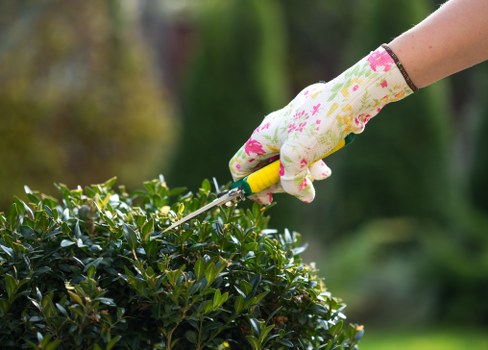
Property types in Soho vary widely, and that means tree removal needs to be flexible. Some customers are dealing with a small tree in a private courtyard, while others need large-scale works around offices, hospitality venues, managed blocks, or mixed-use buildings. Tree removal in Soho must therefore be adapted to the setting, the occupants, and the limitations of the site.
Residential customers often want the job done with minimal disturbance, especially where there are shared entrances or adjoining properties. Concerns usually include preserving privacy, avoiding damage to paving or walls, and making sure the area is left clean. Commercial customers, on the other hand, may be more focused on safe access, keeping the premises open where possible, and limiting disruption to staff, customers, or deliveries.
A reliable local company will take these needs seriously. That may include timing the work to reduce inconvenience, using compact equipment where appropriate, and keeping the surrounding area protected. The best results come from a clear plan and an understanding of the environment you are working in.
Examples of local situations
- A tree in a narrow courtyard that is shading a flat and lifting paving
- A semi-mature tree blocking light to a basement workspace
- A dead specimen near a restaurant terrace or entrance route
- A tree with roots affecting a shared wall or drainage run
- A leaning tree in a managed block that raises safety concerns
- A tree requiring removal before refurbishment or redevelopment
In all of these cases, the service should be built around practical outcomes. That means reducing risk, protecting the site, and helping you move forward with the next stage of your plans.
Contact us today if you need a clear, local solution for a tree that has become a problem.
Access, parking, and site challenges in Soho

One of the biggest reasons customers choose a local team for tree removal in Soho is the challenge of access. Soho’s streets can be busy and restrictive, with limited parking and loading options. Some properties are set back behind shared entrances or reached through internal passageways. Others sit near pedestrian-heavy routes where safety management is essential. These realities shape every part of the job.
Parking and unloading constraints can affect how equipment, timber, and waste are moved. A well-organised team will plan ahead to reduce disruption and avoid unnecessary delays. In some locations, smaller vehicles or staged removals are the best option. In others, the team may need to coordinate arrival times carefully to fit the conditions of the street or building.
There may also be restrictions related to shared access, noise sensitivity, nearby glazing, or the presence of customers and residents. Tree work in these settings benefits from experience, patience, and good communication. If you are arranging tree removal for a managed building or business premises, it helps to choose a company that understands how to work neatly and efficiently in a demanding urban environment.
What helps the job go smoothly
Here are some simple things that can make the process easier:
- Provide photos of the tree and surrounding access points.
- Share any known restrictions such as gates, codes, or booking windows.
- Let neighbours, tenants, or building staff know if access may be affected.
- Move vehicles, planters, or loose items if you have been asked to do so.
- Tell the team about any fragile surfaces, utilities, or underground chambers.
These steps help the team prepare properly and can reduce the chance of delays on the day. They also help ensure the work is carried out safely and efficiently.
Pricing factors for tree removal in Soho
Customers often ask what affects the cost of tree removal, and while exact prices depend on the specifics of the site, there are several common factors. The most important is the level of complexity. A small tree with easy access will usually be simpler to remove than a large tree in a confined courtyard or on a property with restricted loading access.
Other pricing factors may include the height and spread of the tree, its condition, whether it is dead or unstable, how much dismantling is needed, the distance the waste must be moved, and whether stump grinding is included. Access plays a major role too. In Soho, the need for additional labour, special equipment, or careful sectional removal can influence the amount of time the work takes.
Customers should also consider what is included in the service. For example, some jobs may require traffic management, extra protection for surfaces, or coordination with building management. If multiple trees or additional arboricultural services are needed, this can also affect the overall scope. The best approach is to request a quote based on a site visit or clear photos so the estimate reflects the actual job, not a rough guess.
Factors that can influence the quote
- Tree size, height, and trunk diameter
- Location and access constraints
- Condition of the tree and level of hazard
- Need for sectional dismantling or rope work
- Waste volume and removal logistics
- Stump grinding or root-related follow-up work
- Time-sensitive scheduling or restricted work windows
If you are comparing options, ask what is included and how the team plans to manage access, clean-up, and waste. That will help you make a better decision than simply comparing numbers alone.
Why choose a local company for tree removal in Soho
There are practical advantages to working with a team that regularly serves Soho and the surrounding central London area. Local knowledge can make the difference between a difficult job and a well-managed one. A company familiar with the district is more likely to understand the pace of the area, the realities of shared access, and the need to balance speed with care.
Nearby localities such as Mayfair, Fitzrovia, Covent Garden, Marylebone, Chinatown, and the West End all share similar challenges: limited access, close neighbours, busy streets, and a mix of older and newer buildings. A team used to these environments is more likely to arrive prepared, plan around the site properly, and carry out the work with minimal fuss.
Tree removal in Soho is not just about technical skill. It is also about professionalism, flexibility, and respect for the property and people around it. When you choose a local service, you are choosing a team that can respond to the realities of central London and help you solve the problem with as little disruption as possible.
What customers value most
Local customers often look for the following qualities:
- Clear communication from the first enquiry
- Practical advice based on the site, not generic assumptions
- Careful work around buildings, surfaces, and nearby occupants
- Efficient removal and tidy clearance
- Flexible planning for commercial and residential settings
- A service that feels organised, respectful, and reliable
Request a free quote if you want a service built around those standards.
Preparation checklist before the team arrives
Good preparation helps the job run smoothly, especially in an area like Soho where access can change quickly and every minute matters. You do not need to handle the technical side yourself, but a little preparation can make a meaningful difference. If the tree is in a private garden, courtyard, or shared space, it helps to make sure the team can reach the work area without unnecessary obstacles.
It is also sensible to think about who else may be affected. In residential blocks, this may include neighbours, residents, or concierge staff. In commercial spaces, it may involve tenants, customers, or delivery teams. Letting people know in advance can reduce confusion and keep the day organised. If you are unsure what to do, your tree removal provider can usually advise on the steps that matter most.
To help prepare for the work, consider the following:
- Clear access routes where possible
- Move vehicles if requested
- Remove fragile items, furniture, or decorations from the work zone
- Identify any locked gates, restricted entries, or special instructions
- Flag any known utilities, drains, or underground features
- Inform neighbours or building management if access may be briefly affected
These simple steps help create a safer environment and reduce the chance of delays. They also make it easier for the team to complete the work efficiently and leave the area tidy.
After the tree is removed
Once the tree has been taken down, you may want to think about what comes next. Some customers choose to replant with a smaller or better-suited species. Others prefer to keep the area open for storage, seating, or landscaping. In some settings, stump grinding is the best way to prepare the space for future use. If you are uncertain, ask for practical advice based on the site and your longer-term plans.
Tree removal vs tree pruning: when removal is the right choice
Many customers are relieved to hear that a tree does not always need to be removed. In some cases, pruning, crown reduction, crown thinning, or deadwood removal may solve the problem. However, there are situations where removal is the more sensible and cost-effective choice in the long run. The right answer depends on the tree’s health, structure, and position.
Removal is often recommended when the tree is no longer safe, when the root system is damaging nearby structures, or when repeated pruning would not solve the underlying issue. If a tree has grown too close to a building or is repeatedly interfering with access, taking it out may be a more practical solution than continuing with short-term fixes. A trustworthy arborist will talk you through the options before any work begins.
That balanced approach matters to local customers. You want a team that will not remove a tree unnecessarily, but will also be honest when removal is the safest and most sensible route. Tree removal in Soho should always be based on the site conditions and your actual needs, not a one-size-fits-all approach.
Areas covered around Soho
While this page focuses on Soho, many customers also need services in nearby central London locations where the same access and property challenges apply. A local tree team can often help across adjoining neighbourhoods and adjacent districts, especially where buildings, courtyards, and narrow streets make careful planning essential.
Areas commonly covered alongside Soho include Mayfair, Fitzrovia, Covent Garden, Marylebone, Chinatown, Piccadilly, the West End, and parts of Westminster and central London. If your property is close to Soho but not strictly within it, the same service approach may still be suitable. The key is to assess the tree and the site, then plan the work around the actual conditions.
If you manage several properties or need ongoing arboricultural support, it can be useful to use one trusted company across multiple nearby sites. That helps keep communication simple and ensures the same practical standards are applied consistently.
Frequently asked questions
Do I always need permission to remove a tree?
Not always, but some trees may be protected or subject to local controls. Before any work begins, it is important to check the status of the tree and make sure the right steps are followed.
Can a tree be removed from a tight courtyard or roof terrace?
Yes, in many cases, but it usually requires sectional dismantling and careful planning. Access, load-bearing surfaces, and nearby structures all need to be considered.
What happens to the wood and branches?
Most services include removal of the timber and green waste, though arrangements can vary if you would like to keep some of the wood for personal use.
How long does tree removal take?
It depends on the tree’s size, location, and the complexity of access. A small tree may be completed relatively quickly, while larger or more awkward trees can take much longer.
Can you help if the tree is already dangerous?
Yes, urgent cases are often prioritised where possible. If a tree has become unstable, is hanging after storm damage, or is posing an immediate risk, it is best to have it assessed as soon as possible.
Ready to arrange tree removal in Soho?
If you have a tree that is unsafe, unwanted, or no longer suitable for your property, now is the right time to act. Professional tree removal in Soho gives you a safe, controlled way to deal with the problem and restore the space for better use. From planning and access to dismantling and clean-up, the service should be tailored to your site and carried out with care.
Whether you are a homeowner, landlord, property manager, or business owner, a local team can help you move forward with confidence. You do not need to know all the technical details before getting in touch; a good arborist will help you understand your options and decide on the best approach for the tree and the property.
Contact us today to discuss your tree, request a free quote, and arrange a time that works for your schedule. If the tree is causing concern now, do not wait for the problem to get worse. Book your service now and take the next practical step toward a safer, tidier, and more usable space.